“What should I know before starting construction in Northern Ontario?”
It’s one of the most common questions we heard in 2025, and for good reason. This year made it clear that building in the North is different. From material access and weather challenges to workforce limitations and evolving safety expectations, the construction landscape across Northern Ontario is changing fast. At GCCW Limited, we’ve spent 2025 listening, adapting, and helping our clients overcome the real-world barriers to getting the job done right.
Here’s what we’ve learned—and how you can use it to plan better for 2026.
1. Canadian Sourcing Isn’t Optional, It’s Strategic
When U.S. tariffs and cross-border delays affected materials this year, many clients were caught off guard. Projects stalled. Budgets shifted. Timelines stretched.
The takeaway? Relying on imported materials increases project risk.
That’s why GCCW doubled down on local sourcing in 2025. By using Canadian-made materials and working with trusted regional suppliers, we helped clients avoid border slowdowns and reduce volatility in their schedules. For 2026, more companies are making this part of their early planning process, and you should too.
2. Labour Shortages Aren’t Going Away, But You Can Plan Around Them
Workforce shortages hit almost every sector this year, from mining to municipal. The problem wasn’t just finding trades, it was keeping projects staffed through completion.
Our response was simple but effective:
- We started projects earlier in the season
- We staggered timelines to match crew availability
- We invested in ongoing training to keep our teams sharp
As a result, our clients saw fewer interruptions, even in remote locations. For 2026, look for contractors who don’t just talk about their team, but prove they’ve built one.
3. Winter-Ready Construction in Northern Ontario Still Isn’t the Norm
Searches for “cold weather construction in Ontario” spiked last winter, and with good reason. Many contractors still push pause when the snow hits.
Not us.
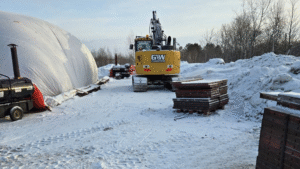
In 2025, GCCW used heated formwork, insulated curing, and ground thaw solutions to keep foundations moving, even during peak freeze. If your contractor doesn’t have a plan for winter execution, you’re likely headed for delays, and increased costs.
4. Clients Expect Clearer Communication—And Deserve It
Another top concern we heard this year: “We didn’t know what was happening on site.”
This led to one of our most-read blog posts of 2025: Construction Delays Caused by Poor Communication.
We’ve since added real-time updates, shared schedules, and better site visibility to every project. Clients now get answers faster—and with fewer surprises.
Heading into 2026, ask yourself: Does your contractor actually keep you informed, or just update you when something goes wrong?
5. Worker Safety and Comfort Are Part of the Plan Now
In 2025, more clients prioritized on-site amenities and safety infrastructure than ever before. This wasn’t about regulation, it was about respect. Heated trailers, organized access systems, and proper break areas aren’t luxuries anymore. They’re part of doing the job right.
Our projects this year reflected that shift, especially at remote job sites where crew conditions often make or break performance.
A Final Note: What We’re Carrying into 2026
This year was about more than avoiding mistakes. It was about building with intention, with teams, tools, and plans tailored to this region’s realities.
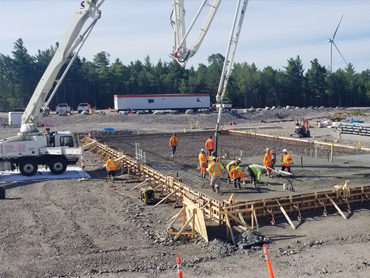
We’re proud of what we helped our clients achieve across Sudbury and Northern Ontario, from municipal infrastructure upgrades to industrial retrofits and foundations that will support decades of use.
And we’re even more ready for what’s next.
Planning a Construction Project in 2026? Start with Experience.
Whether you’re navigating funding approvals, environmental constraints, or site logistics, GCCW is here to help you get ahead, not fall behind.
Let’s build smarter, safer, and stronger, right here in Northern Ontario.